
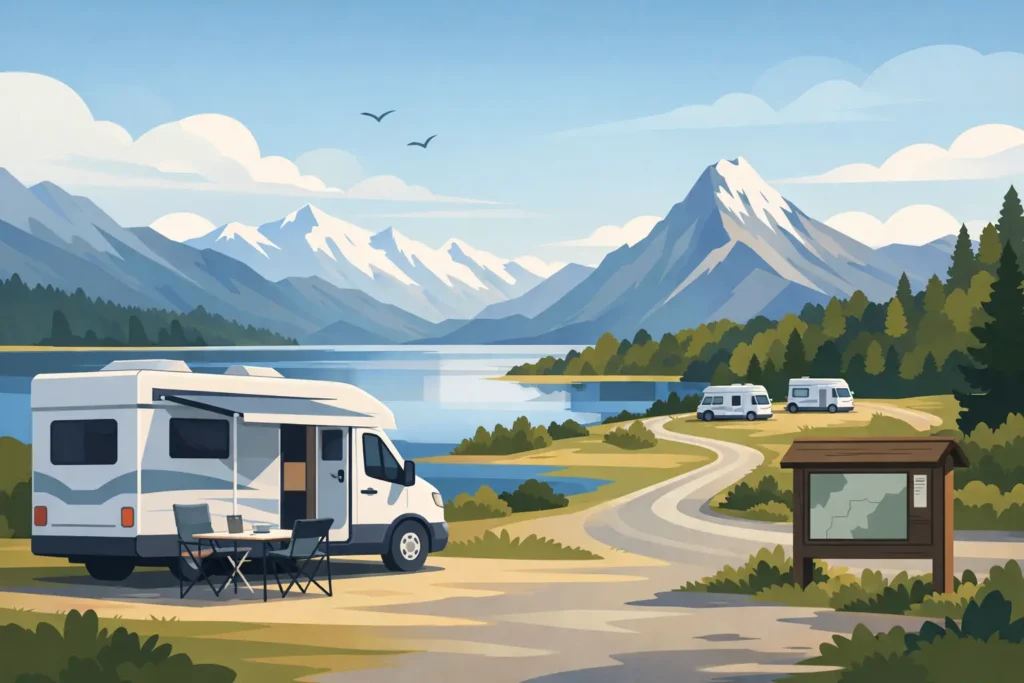
Landing in Christchurch with no van booked can feel wonderfully spontaneous – until every affordable vehicle is gone and the only option left is a large motorhome you never wanted. So, do campervans need reservations in New Zealand? For most South Island trips, yes: reserve the campervan itself ahead of time. How far ahead depends on when you travel, how fixed your dates are, and how picky you are about price and vehicle style.
That does not mean every night needs to be locked into a campground months before you arrive. The best South Island road trips usually have a solid starting point and room to change course once the weather, walking tracks, and roadside views start making decisions for you.
Do Campervans Need Reservations for a South Island Trip?
A campervan reservation and a campsite reservation are two different things. Book the van first, especially if you are arriving on a particular date or need pickup in Christchurch or Queenstown. A small, independent rental fleet has limited vehicles by design. That is part of the appeal – you get a well-considered van and direct communication, not a random vehicle from a giant lot – but it also means there are fewer last-minute options.
Once you have the van, you can decide how structured you want the overnight plan to be. In quieter months, many travelers can mix booked holiday parks with Department of Conservation campgrounds and flexible stops. During the busy season, a few key campsite reservations make the trip much easier.
The practical answer is simple: reserve the vehicle whenever your travel dates are known. Reserve accommodation strategically, not automatically.
When You Should Book Your Campervan Early
The South Island has a short, busy summer. December through February is the period when demand is strongest, with school holidays, Christmas and New Year travel, and long daylight hours all pulling people onto the road. If you want a compact campervan at a sensible daily rate, booking several months ahead is the safe move.
January is especially competitive. Travelers who wait until they land may still find something, but they are more likely to compromise on price, pickup location, van size, or trip dates. Booking early also gives you time to compare flight times with pickup windows and build a route that does not require a rushed first day.
You should also reserve ahead if your trip falls around Easter, New Zealand school holidays, major events, or a long weekend. Places such as Queenstown, Wanaka, Tekapo, Aoraki Mount Cook, Abel Tasman, and the West Coast can become busy quickly. The roads remain public, of course, but places to sleep and rental vehicles do not multiply when demand rises.
Early booking matters most when you have non-negotiables. Maybe you need an automatic van, want a discreet compact setup rather than a big branded motorhome, or have a return flight that cannot move. Those details narrow your choices. A reservation turns them from a gamble into a plan.
When a Last-Minute Booking Can Work
Traveling between May and September gives you more breathing room. Winter brings fewer visitors, and a spontaneous trip is more realistic if you are flexible about your route and willing to adapt to mountain weather. You may find better availability, but winter is not simply summer with empty campgrounds. Snow, ice, shorter days, and occasional road closures can reshape an itinerary fast.
Shoulder seasons – March to April and October to November – can be an excellent middle ground. There are often fewer crowds, good driving conditions, and plenty of reasons to book a van ahead without needing to schedule every overnight stay. Autumn colors around Central Otago and spring landscapes elsewhere on the island make these months worth considering.
A last-minute rental is most likely to work if you can accept whatever is available, can start from either Christchurch or Queenstown, and do not have a fixed one-way itinerary. It is less likely to work if you are two days away from Christmas and need a specific campervan for two weeks.
Campsites: Book the Nights That Matter Most
You do not need to reserve every campground in New Zealand. In fact, doing so can take away one of the best parts of campervan travel: changing plans when you find a beach, hike, winery, or small town worth an extra night.
But some nights are worth booking well ahead. Reserve campgrounds near high-demand destinations when you know you want to be there, particularly over summer. The night before an early hike, a cruise, or a booked activity is not the moment to drive around hoping for a vacancy. A confirmed site lets you cook dinner, charge up, and start the next day rested.
For the rest of the route, keep a short list of realistic alternatives. A holiday park may be the right choice when you want a hot shower, laundry, power, and a proper reset. A basic campground can be ideal when you want quiet, simple surroundings, and an early start. Both have a place on a good road trip.
Freedom camping is not a backup plan to assume will work everywhere. Rules vary by area, restrictions change, and many locations prohibit overnight stays. Only stay where it is clearly permitted, follow the local signage, and make sure your vehicle and setup meet the relevant requirements. Treating public places with care helps keep access open for travelers who come after you.
Build Flexibility Into the Route, Not the Vehicle Booking
A common mistake is waiting to reserve a campervan because the entire itinerary is not finalized. You do not need to know every stop before securing the van. Start with the dates you need, your pickup and drop-off locations, and a realistic trip length. Those are the pieces that are hard to change later.
Then plan the route in blocks rather than hour-by-hour. For example, you might set aside a few nights for the Mackenzie region, several for the West Coast, and a few more around Wanaka or Queenstown. Within each block, leave space for poor weather, a longer hike, or the simple pleasure of not driving that day.
The South Island looks manageable on a map, but distances can be deceptive. Mountain roads, photo stops, one-lane bridges, and changing conditions all slow things down. A compact campervan makes it easier to park, drive, and settle into smaller places, but it does not turn a six-hour driving day into a relaxing holiday. Keep the route realistic and let the best stops have some room.
What to Check Before You Confirm
Before reserving, read the practical details rather than relying on the headline price alone. Confirm pickup and return locations, minimum rental period, insurance options, driver requirements, included gear, and any charges that might affect your budget. Ask how support works if you have a question on the road. Straight answers matter more than fancy marketing when you are halfway between towns.
It is also worth checking the van layout against how you actually travel. A couple on a two-week trip may value an easy bed setup, useful storage, cooking basics, and enough room to wait out rain more than a long list of gadgets. Smaller campervans are often easier to live with than oversized motorhomes, particularly on narrow roads and in busy parking areas.
At Kim Campers, the idea is simple: a hand-built, road-ready van with the essentials, personal service, and no unnecessary rental-fleet fuss. That style suits travelers who would rather spend their budget on the trip than on features they will barely use.
A Better Booking Strategy
If you are visiting in summer, reserve your campervan as soon as flights and dates are confirmed. Book the first night near your pickup point if you arrive late, then reserve only the campgrounds tied to busy destinations or fixed activities. Leave the remaining nights open enough to follow the weather and your own energy.
If you are traveling in the shoulder season, booking the van a few weeks or months ahead is still wise, while your campground plan can stay looser. In winter, prioritize a reliable vehicle, current road information, warm bedding, and a route that does not depend on crossing high passes in bad conditions.
The goal is not to turn a road trip into a spreadsheet. It is to remove the stressful parts early so you can enjoy the unplanned parts later. Reserve the campervan, protect the nights that truly matter, and leave enough empty space on the itinerary for the South Island to surprise you.