
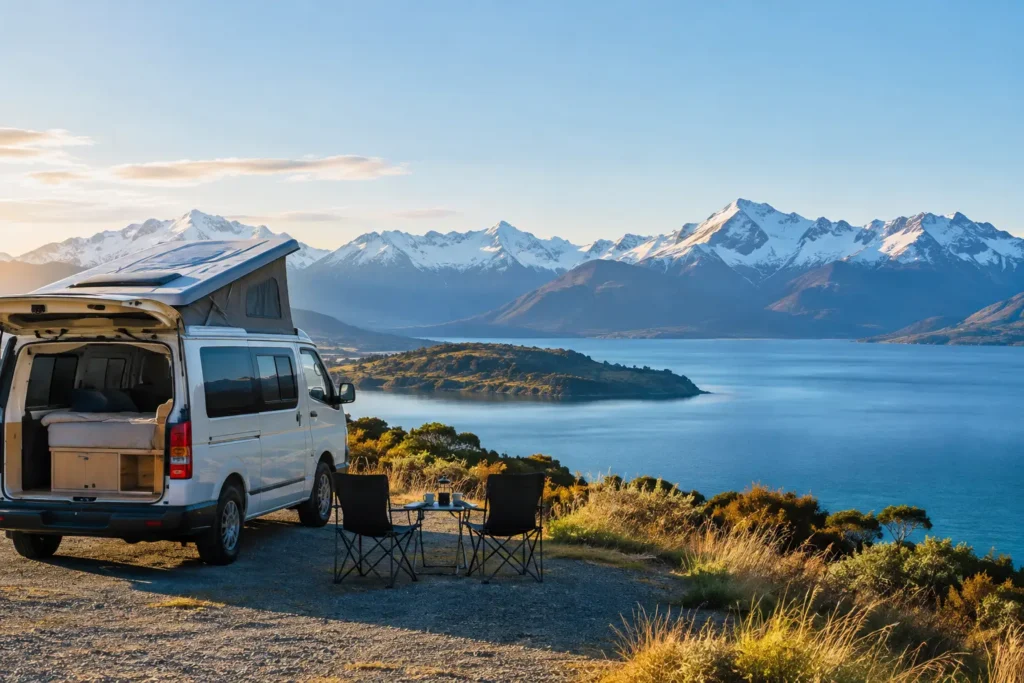
Landing in Christchurch with a loose plan and a van key in hand is one of the best ways to see the South Island. But campervan holiday costs can move quickly when you add rental days, fuel, campsites, groceries, and the occasional activity you did not expect to book. A realistic budget gives you more freedom to follow the weather, stay an extra night somewhere good, and travel without checking your bank balance at every gas station.
For most travelers, the South Island is good value by New Zealand standards when you keep the trip simple. A compact campervan combines transport and accommodation, and cooking a few meals yourself makes a noticeable difference. The real question is not whether campervan travel is cheap. It is which choices make it affordable for the way you want to travel.
What Campervan Holiday Costs Include
It helps to separate the fixed costs from the daily decisions. Your rental is the obvious starting point, but it is only one part of the trip. The length of your route, the season, the size of your vehicle, and how often you use paid campgrounds all shape the final total.
For a couple traveling in a compact, self-contained campervan, budget in New Zealand dollars for the following: the daily rental rate, insurance or excess-reduction options, fuel, campground fees, food, paid activities, and a little room for parking, laundry, or the odd cafe stop. Flights are separate, of course, but they can influence your plan too. An open-jaw itinerary can look convenient until the one-way vehicle fee makes a return route from Christchurch the better deal.
A smaller van usually keeps several of these costs under control. It uses less fuel than a large motorhome, fits easily in town parking, and makes narrow South Island roads less stressful. You may give up a bathroom or a full standing-height interior, but many couples would rather spend their budget on extra travel days than extra square footage.
Rental Price: The Biggest Fixed Cost
Daily rates vary most with the season. Summer, roughly December through February, is the busiest and most expensive time to travel. School holidays and major events can also push demand up. Late spring and early fall often offer a useful middle ground: decent daylight, fewer crowds, and more availability without winter conditions on every mountain road.
At Kim Campers, compact self-built vans start from NZ$110 per day, though the actual rate depends on dates and availability. That kind of starting point is useful for building a baseline, not a promise that every day of the year will cost the same. Always check what is included before comparing two daily prices.
A lower advertised rate can become less attractive if it excludes the gear you actually need. Look for bedding, kitchen equipment, camping chairs, roadside assistance, required cleaning arrangements, and insurance terms. Also check the rental minimum, driver age rules, security deposit, and whether pickup and drop-off times effectively remove a usable day from your trip.
For a 10-day trip, even a NZ$20 difference in the daily rate changes the bill by NZ$200. That is several campground nights, a good hike-and-hot-springs day, or a healthy portion of your fuel budget. Booking the van that fits your trip is usually smarter than booking the van with the biggest list of features.
Insurance is about risk, not just price
Insurance options deserve a clear look before you arrive. A lower-cost option may come with a higher excess, meaning you could be responsible for more money if the vehicle is damaged. Reducing that excess costs more upfront but can make sense if you would rather avoid a large hold on your card or a big financial surprise.
There is no universal right answer. If you are comfortable with the excess and traveling carefully, basic cover may suit you. If a narrow gravel road, a busy itinerary, or the thought of a large deposit will keep you awake, extra cover may be worth it. Read exclusions closely, especially for windscreen damage, tires, unsealed roads, and restricted areas.
Fuel Costs Depend on Route, Not Just Distance
The South Island looks manageable on a map, but drives take longer than many visitors expect. Roads are scenic, winding, and full of places where you will want to stop. Budget for fuel by building a sensible route first, rather than guessing from the number of days.
A compact gasoline campervan is generally easier on fuel than a big motorhome, but consumption changes with hills, wind, passenger weight, and how much gear you carry. Fuel prices also vary by town. Remote places are often more expensive, so topping up before a long stretch can save both money and hassle.
As a rough planning approach, estimate your total route distance, check the vehicle’s typical fuel use, then add a buffer for detours. A 1,500 to 2,000 kilometer loop from Christchurch can be a realistic range for 10 to 14 days, depending on whether you head toward Aoraki/Mount Cook, Wānaka, Queenstown, Fiordland, or the West Coast. Trying to cover all of it in one short trip may cost more in fuel while leaving you less time to enjoy it.
Slow travel is often cheaper travel. Two nights in one place means fewer driving days, fewer impulse gas station purchases, and more time for walks that cost nothing.
Campsites: Where the Budget Can Flex
Camping is where travelers have the most control over daily spending. New Zealand offers a mix of basic Department of Conservation sites, holiday parks with facilities, private campgrounds, and designated freedom-camping areas. Prices and rules vary, so do not assume a self-contained van can park overnight anywhere.
Basic campsites can be inexpensive, especially if you are happy with simple toilets and no powered site. Holiday parks cost more, but a hot shower, laundry, kitchen, and powered hookup can feel very worthwhile after a few days on the road. A sensible rhythm for many couples is to mix the two: stay basic when the location is the point, then use a full-service campground every few nights to reset.
Freedom camping is not a shortcut around planning. Only stay in places where it is permitted, follow local signs, and leave no trace. Rules are actively enforced in many areas, and fines can turn a cheap night into an expensive one. A paid site is often the better value if it gives you a legal place to sleep near the trail, beach, or town you came to see.
Food Costs Are Easier to Control in a Van
A campervan kitchen will not turn every meal into a wilderness feast, but it makes the basics simple. Breakfast at your campsite, packed lunches for hiking, and one-pan dinners can cut daily spending without making the trip feel restrictive.
Stock up in larger towns, where supermarkets usually offer more choice and better prices. Buy enough for a few days rather than filling every storage space on day one. Fresh food gets forgotten, and a compact van works best when it stays organized. Keep a few easy staples on hand: oats, coffee, pasta or rice, vegetables, fruit, snacks, and ingredients for fast dinners.
Eating out is part of travel, especially in places like Queenstown, Wānaka, and small coastal towns with great bakeries. Give yourself a realistic cafe and restaurant allowance instead of pretending you will cook every meal. The budget holds up better when a good lunch is planned, not treated as a failure.
Activities Can Outspend the Van
Many of the South Island’s best experiences are free: lake walks, scenic lookouts, beaches, short forest tracks, and long evenings outside the van. But the paid options add up fast. A boat cruise, ski day, guided hike, bike rental, hot pools, or bungee jump can cost more than a night’s accommodation.
Choose one or two paid highlights that genuinely matter to you, then build the route around them. This works better than arriving with a long list and booking something every day. Weather can change plans, too, so leave some budget uncommitted for a clear-day opportunity.
A Practical Daily Budget for Two
For a couple in a compact campervan, a lean daily budget outside the rental might sit around NZ$90 to NZ$180. That can cover fuel, a basic or mid-range campsite, groceries, and small extras. Add more for holiday parks, restaurant meals, paid attractions, and peak-season travel.
The range is wide because travel styles are wide. A couple cooking most meals, staying at simple sites, and walking every day may spend near the lower end. Another couple driving long distances, booking powered sites, buying coffee often, and doing several headline activities will be well above it. Neither approach is wrong. It just helps to decide what matters before the road makes the decisions for you.
Ways to Keep Costs Honest
The easiest savings do not require turning the trip into a spreadsheet. Travel in shoulder season if your dates allow it. Pick a compact van that matches your group size. Plan a route with fewer long backtracks. Mix basic campsites with an occasional holiday park, and shop in bigger towns before heading into remote areas.
Most importantly, leave a buffer. New Zealand road trips invite detours: an extra night by Lake Pukaki, a stormy day spent somewhere comfortable, or a hike that makes you want to stay put. A small contingency fund lets you say yes to the good surprises without worrying about the cost of every change.
The best South Island campervan trip is not the one that covers the most ground. It is the one with enough time, fuel, and flexibility to stop when a place feels worth staying for.