
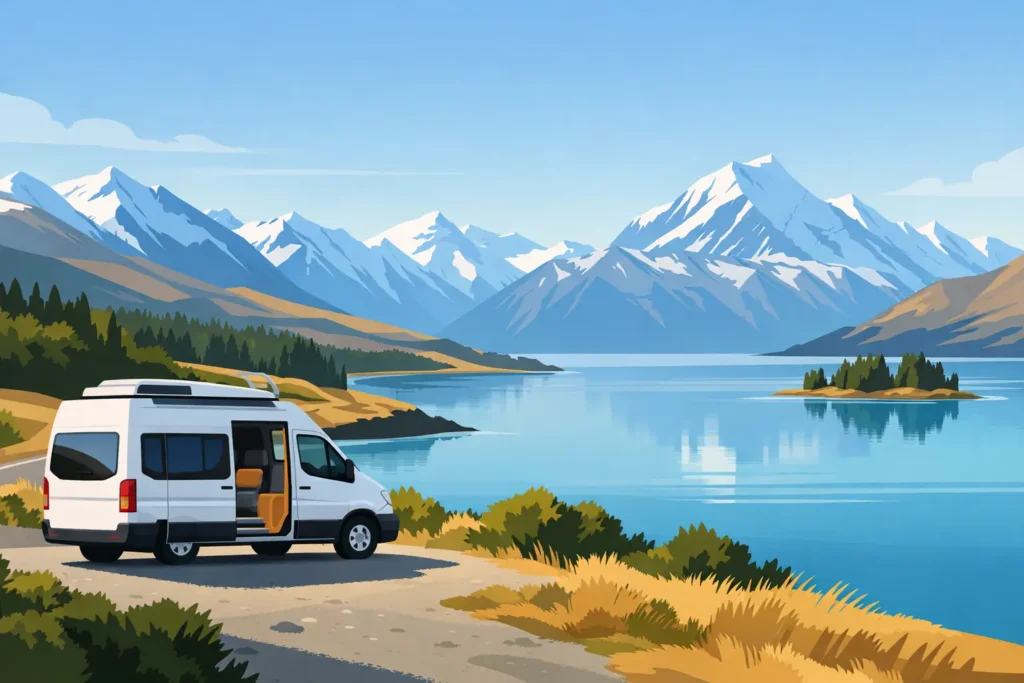
A South Island road trip does not need a giant motorhome, a packed itinerary, or a rental bill that eats half your travel budget. Cheap campervan rentals are often the better fit for couples and independent travelers who want the freedom to stop for a hike, sleep near the coast, and change plans when the weather turns – without paying for space and features they will not use.
The key is knowing the difference between cheap and poor value. A low daily rate looks great at first, but the real cost of a campervan trip includes insurance, fuel, campground fees, one-way charges, equipment, and the little extras that appear after you have already committed. The best budget option is a simple, reliable van that is ready for the way you actually plan to travel.
What Cheap Campervan Rentals Should Actually Include
For most South Island trips, you do not need a hotel room on wheels. You need a vehicle that is easy to drive on narrow roads, comfortable enough to sleep in, and set up for everyday road life. That means a proper bed, basic cooking gear, storage for your bags, power for small devices, and a practical setup for eating, sleeping, and getting moving in the morning.
A compact campervan has a few real advantages over a larger motorhome. It is less intimidating on winding roads, easier to park in towns such as Wanaka and Queenstown, and generally uses less fuel. It also feels more discreet when you are traveling, rather than advertising that you are part of a rental fleet.
There is a trade-off. Compact vans have less indoor room, so a rainy day can feel cozy rather than spacious. If you are traveling with children, carrying bikes, or expecting to spend long stretches inside, a larger vehicle may be worth the extra cost. For two people who plan to be outside most of the day, simple is often exactly right.
Look beyond the daily rate
When comparing rentals, ask what is included before focusing on the headline price. A cheaper van can become expensive if it requires separate payments for linens, kitchen gear, extra drivers, airport transfers, or basic insurance cover.
It also pays to check the pickup and drop-off process. A low rate is less useful if you need to spend a large amount getting across the island to collect the vehicle. Christchurch is a practical starting point for many South Island routes because it gives you direct access to Arthur’s Pass, Lake Tekapo, the West Coast, and the route south toward Dunedin or Queenstown.
When to Book a Budget Campervan
New Zealand’s summer season runs roughly from December through February, and demand can be high well beyond those months. The weather is warmest, daylight lasts longer, and popular campgrounds fill quickly. It is a brilliant time to travel, but it is rarely the cheapest.
For better rates and quieter roads, consider late fall or early spring. March and April can still offer warm days, stable conditions, and beautiful autumn color in Central Otago. October and November bring longer days, snow-tipped mountains, and fewer crowds, though mountain weather can change fast.
Winter can be the lowest-cost period, especially for travelers comfortable driving in cold, wet, or icy conditions. It is a great season for ski trips and clear, crisp days around the Mackenzie Country, but it requires more flexibility. Roads can close temporarily, and a compact campervan is not a shortcut around winter driving conditions. Check forecasts, road updates, and whether your planned route crosses a high pass.
Booking early is still the best move if you have fixed dates. Cheap campervan rentals are usually limited because smaller, owner-run businesses have a carefully chosen fleet rather than hundreds of identical vehicles. Early booking gives you more choice, while last-minute travel works best when your route and pickup dates are flexible.
Choose the Right Van for Your Route
The South Island rewards a slower itinerary. You can drive from Christchurch to Queenstown in a day, but it is far better when it becomes a few days through Lake Tekapo, Aoraki Mount Cook, and the Lindis Pass. For that kind of trip, a compact Nissan NV350-style campervan makes sense: enough room for two, manageable on the road, and designed around the essentials.
Before booking, think honestly about how you travel. Are you cooking most meals? Do you carry large suitcases? Are you happy using campground facilities? Do you need to work from the road? Your answers matter more than a glossy photo of a van with a long list of features.
A practical layout beats unnecessary gadgets. A bed you can set up easily, lighting that works, sensible storage, ventilation, and straightforward cooking equipment will affect your trip every day. Complicated systems can sound appealing, but they also create more things to learn and more chances for something to go wrong.
Kim Campers takes this stripped-back approach seriously, offering hand-built vans designed by a traveler for the actual rhythm of a South Island road trip, with rates starting from $110 per day depending on timing and availability.
Keep Your Road Trip Costs Under Control
A campervan gives you control over your accommodation and food spending, but it does not make every overnight stop free. Paid holiday parks and campgrounds are worth budgeting for, especially when you want a hot shower, laundry, reliable power, or a good place to reset after several nights on the road.
Freedom camping is not simply parking wherever the view is best. Rules vary by location, and many areas restrict overnight stays to certified self-contained vehicles in designated places. Respecting those rules protects the places you came to see and saves you from fines that can quickly wipe out any savings.
Fuel is another major line item. The South Island has long scenic stretches, and prices can be higher in smaller towns. Do not run your tank too low before heading into remote areas such as the West Coast, the Catlins, or inland Otago. A smaller van will usually be easier on fuel than a heavy motorhome, but the biggest savings come from planning a route that does not zigzag across the island.
Groceries are where campervan travel can really help. Stock up in larger centers such as Christchurch, Nelson, Dunedin, or Queenstown, then keep meals uncomplicated. Coffee, breakfast, picnic lunches, and a few cooked dinners add up to a meaningful difference over a two-week trip. Leave room in the budget for the meals that are worth going out for – fresh fish on the coast, a bakery stop after a hike, or a proper dinner in a small town.
Watch for Charges That Change the Total
Before you confirm a booking, read the rental terms with the same attention you would give a flight booking. Check the insurance excess, what happens if there is windscreen damage, whether roadside assistance is included, and how many kilometers you can drive. South Island distances can be deceptive when every scenic detour is tempting.
Ask about extra driver fees, airport pickup options, cleaning expectations, and one-way rentals if you want to start in Christchurch and finish near Queenstown. Also check whether the van comes with the gear needed for self-contained travel, rather than assuming every campervan is equipped the same way.
None of this is about finding hidden problems. Good rental companies are clear about what is included and what is not. It is about comparing the final trip cost rather than choosing a van based on one number on a search page.
Travel Lighter, Stay Longer
The cheapest campervan trip is rarely the one with the tightest daily schedule. Moving every night burns fuel, limits your time outdoors, and makes you more likely to spend on convenience. Choose a few places to stay two nights, especially around areas with several walks or bad-weather alternatives.
Pack soft bags instead of hard suitcases, bring layers rather than bulky outfits, and leave space for food and outdoor gear. South Island weather can give you sun, wind, rain, and cold in a single day, so useful clothing matters more than packing lots of it.
A good budget road trip should feel free, not restricted. Choose a van that covers the basics well, leave some room for weather changes and unexpected stops, and spend your money on the parts of the island you will remember long after the keys are returned.