
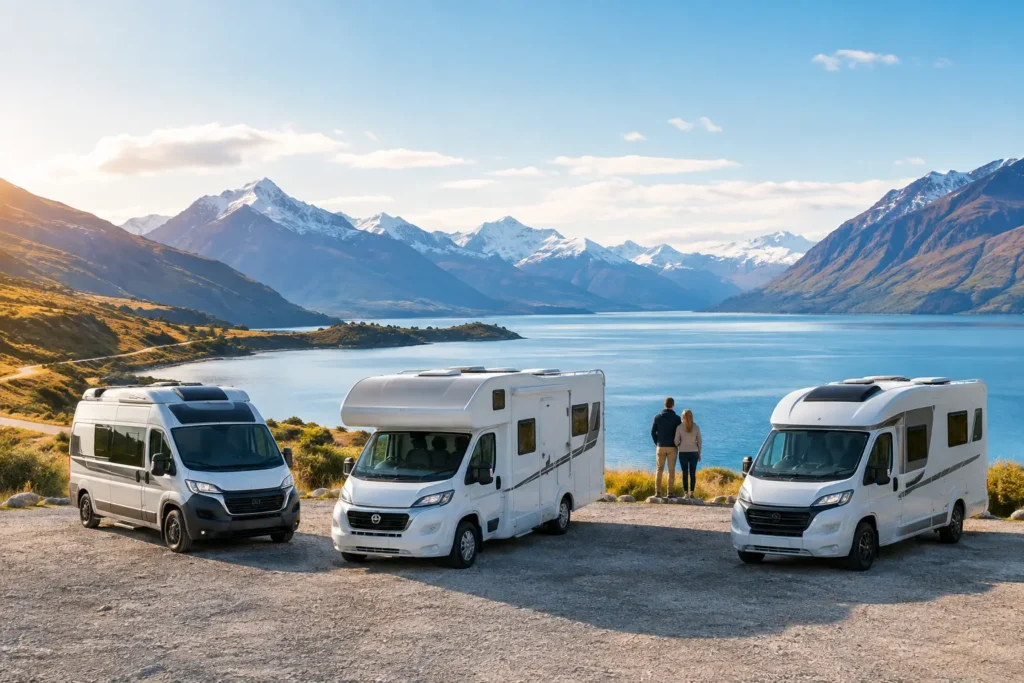
You can spend an hour comparing daily rates, then lose half a day dealing with a vehicle that is too wide for the roads you want to drive, too complicated to set up, or not actually equipped for the trip you pictured. A useful motorhome rental comparison goes beyond the photo gallery. For a South Island road trip, the right vehicle should fit your route, your budget, and the way you genuinely want to travel.
New Zealand is made for camper travel, but it also rewards sensible choices. Mountain passes, changeable weather, compact towns, and small campgrounds can make a simple, well-designed campervan a better fit than the biggest vehicle available.
Start Your Motorhome Rental Comparison With Trip Style
Before comparing companies, decide what your days on the road will look like. Two people moving every day between Christchurch, Lake Tekapo, Wanaka, and the West Coast need something different from a family spending a week at holiday parks with plenty of gear.
A larger motorhome gives you room to stand, a bigger kitchen, and more indoor living space. That can be worth paying for if you are traveling with children, need a bathroom onboard, or expect several rainy days in one place. The trade-off is size. Large vehicles can feel awkward on narrow roads, busy parking lots, and winding routes such as the Crown Range.
A compact campervan is usually easier to drive, park, and fuel. It suits couples and independent travelers who plan to spend most of their time outside, at trailheads, beaches, and campsites. You will give up some room, but you may gain flexibility in the places that make a South Island trip memorable.
Ask a plain question: will extra space improve your trip every day, or only look good in a listing photo? That answer often narrows the field quickly.
Compare the Real Daily Cost, Not Just the Headline Rate
A low advertised daily price is a good starting point, not a final number. Rental companies package costs differently, so compare quotes based on the same dates, driver age, pickup point, and insurance level.
Look closely at what is included in the base rate. Bedding, kitchen equipment, camping chairs, extra drivers, airport transfers, and one-way fees can all shift the total. So can charges for late pickup, early return, cleaning, or fuel. A cheaper vehicle is not necessarily the better deal if the basics are added as expensive extras.
Insurance deserves the same attention. Check the excess amount, the price of excess reduction, and what is excluded. Tires, windshields, underbody damage, single-vehicle accidents, and damage on unsealed roads may have separate conditions. You do not need to assume the worst, but you should know what you are responsible for before collecting the keys.
Fuel economy matters more on a two- or three-week loop than on a long weekend. A big motorhome may be comfortable, but it will generally use more fuel and can cost more on some ferries or campsites. A compact van can keep the overall trip cost steady, leaving more room in the budget for activities, good food, or an extra night somewhere you did not want to leave.
Size, Layout, and Everyday Practicality
Vehicle dimensions tell part of the story. Layout tells the rest. Look at where you will sleep, sit, cook, store bags, charge a phone, and dry a damp jacket after a wet walk.
Bed Setup Should Be Easy
Some rentals require a full furniture rearrangement every evening. Others have a bed that is ready in minutes. Neither is automatically wrong, but a complicated setup gets old fast when you arrive at camp after dark or in rain.
Check bed length and width, especially if either traveler is tall. Ask whether bedding is included and whether the mattress is a proper sleeping surface or a collection of thin cushions. A cozy-looking interior is not much use if you wake up tired after every night.
Kitchen Gear Should Match Your Cooking Plans
If you plan to make coffee, simple breakfasts, and a few easy dinners, a basic stove, cooler or fridge, cookware, plates, and utensils are enough. You do not need a rolling apartment.
Still, confirm the essentials. Is there storage for food? Is the fridge powered while driving? Does the van include a gas bottle, can opener, sharp knife, and dishwashing kit? Clear details beat a long inventory of gadgets you will never use.
Storage Is a Quiet Deal-Breaker
Soft bags are easier to live with than hard suitcases in a compact campervan. Regardless of vehicle size, check where luggage goes once the bed is made. A clean, thoughtful layout keeps the living area usable instead of turning it into a pile of backpacks, jackets, and hiking boots.
Self-Containment and Where You Can Stay
For many travelers, self-containment is one of the most confusing parts of a motorhome rental comparison. A self-contained vehicle has the facilities needed to contain its fresh water, wastewater, and toilet waste under New Zealand requirements. The exact rules and campground policies can change, so always confirm current eligibility and local restrictions before relying on freedom camping.
More importantly, do not choose a camper simply because you expect to park anywhere for free. South Island travel is better when you plan a mix of holiday parks, Department of Conservation campgrounds, and permitted overnight locations. Holiday parks are useful for showers, laundry, charging devices, and a proper reset. DOC campgrounds can put you closer to the scenery that brought you here.
A toilet-equipped motorhome may suit travelers who want greater independence. A smaller self-contained van can be a more practical choice for couples who are happy using campground facilities and want a vehicle that is easier to maneuver. There is no universal winner. It depends on how much time you expect to spend inside the vehicle and how independently you want to camp.
Compare the Company, Not Only the Vehicle
Two similar vans can lead to very different trips depending on the people behind them. Large fleets can offer lots of locations and a wide range of vehicles. That may be useful if your dates are fixed, you need an airport counter, or you are traveling with a group.
A small, owner-led rental business often offers something else: direct answers, a vehicle prepared by people who know it well, and support that feels human rather than scripted. If you are new to camper travel, being able to ask a straightforward question about heating, road conditions, or a warning light is valuable.
Read recent reviews for patterns, not just star ratings. Are customers mentioning clear handovers, clean vehicles, responsive communication, and honest handling of issues? Do they describe surprises around fees or insurance? A company does not need to promise perfection. It should show that it deals fairly with real-world problems.
Kim Campers, for example, focuses on compact, self-built Nissan NV350 campervans for South Island travel, with direct owner communication rather than the usual big-fleet rental experience. That approach will not suit everyone, especially travelers who need a full bathroom or a six-berth layout. For a couple wanting a simple road-trip-ready van from Christchurch, it can make more sense than paying for space and features they will not use.
Pickup Location Can Shape Your First Day
Christchurch is a practical South Island starting point because it has major flight connections, supermarkets, gear stores, and easy access to routes south and west. Picking up near the airport can be convenient, but a pickup process that allows enough time for a proper handover is more useful than shaving a few minutes off the transfer.
Ask when pickup is available, how long the orientation takes, and whether there is flexibility if your flight is delayed. Make sure you understand how to operate the stove, fridge, heater if provided, water system, charging setup, and any toilet before you leave. Take photos during the condition check and ask about roadside assistance.
If you plan to finish in Queenstown, compare the cost of a one-way trip against returning to Christchurch. A one-way fee may be worthwhile if it saves a rushed drive back across the island. On a shorter itinerary, a loop can be cheaper and give you more freedom to adjust plans around the weather.
Book the Vehicle That Lets You Travel Light
The best rental is rarely the one with the longest feature list. It is the one that feels manageable from the first fuel stop, stays within your real budget, and gives you a comfortable place to sleep after a day outside.
Choose enough space, not maximum space. Pay for insurance you understand, not a vague sense of security. Then leave a little room in the itinerary for the unplanned lookout, the extra hike, or the small campground where you decide to stay one more night.